What
if there was an actual cure for diseases such as Alzheimer’s disease,
Parkinson’s, ALS, epilepsy, dementia, schizophrenia,
and even autism? What if that cure was not a drug and available at many
health food and even grocery retailers?
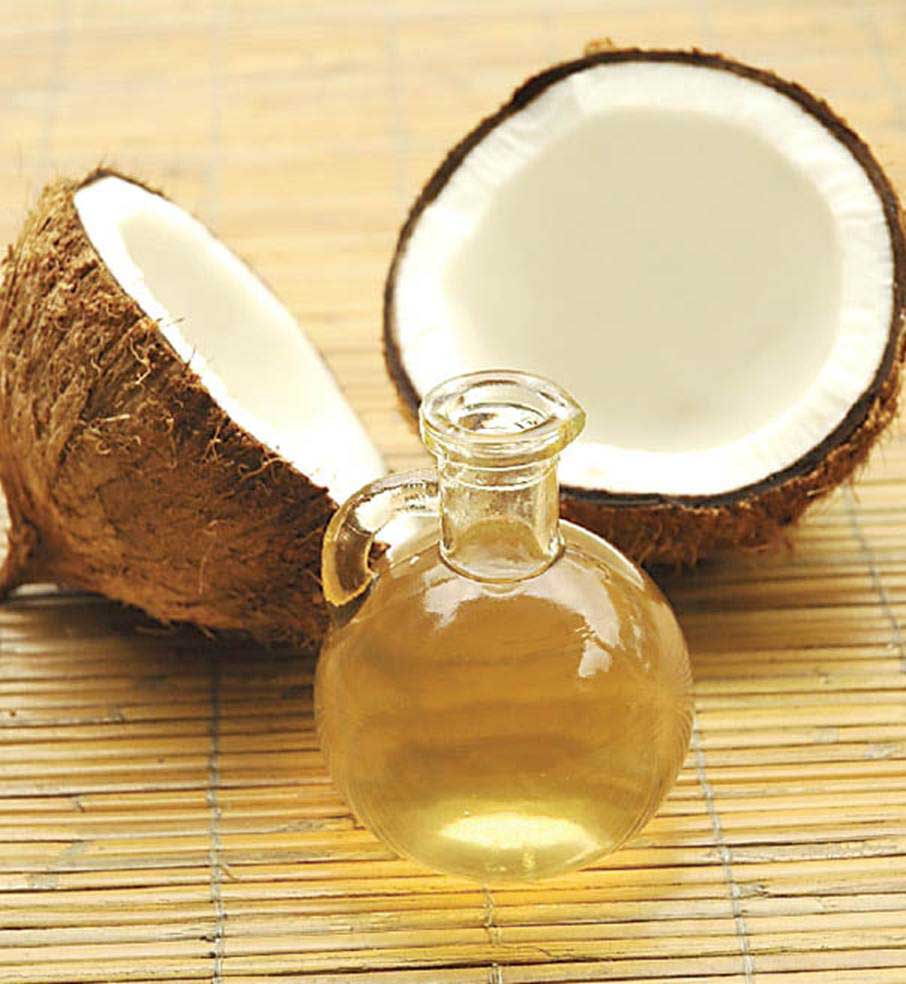
What
if you could be incorporating something into your diet right now that is
anti-viral, anti-bacterial, helps with weight-loss and is one of the
richest sources of healthy sources of fat?
I
know it sounds too good to be true but coconut oil can do all these
things. It’s natural, widely available and thankfully not a patented.
Coconut oil is one of the healthiest
cooking and edible oils in the world. It is extracted from the kernel
of matured coconuts in typically tropical regions. Throughout the tropics,
it has provided the primary source of fat in the diets of millions of
people for generations. It has always had various applications in food,
medicine, and industry.
In the video above, Dr.
Mary Newport speaks out on her incredible initiative to prescribe coconut
oil to her husband, Steve Newport for his Alzheimer’s disease.
“He had an MRI in May
2008 showing a diffuse involutional change of the frontal and parietal
lobes and moderate left-sided and severe right-sided amygdala and
hippocampal atrophy with no ischemic change, which would support a
clinical diagnosis of Alzheimer’s Disease,” Dr. Newport stated.
Dr.
Newport, a physician who runs a neonatology ward in a Florida hospital,
became determined to help her husband after he was diagnosed with
Alzheimer’s disease. The report hosted on CBN.com stated that “insulin
problems prevent brain cells from accepting glucose, their primary
fuel…there is an alternative fuel, ketones which the cells easily
accept. Ketones are metabolized in the liver after you eat medium chain
triglycerides which are found in coconut oil.”
After incorporating
coconut oil into his diet, Steve Newport began passing specific clock
tests designed to help diagnose Alzheimer’s patients. He began improving
intellectually, emotionally and physically.
Dr. Newport documented
Steve’s success in a book called Alzheimer’s
Disease – What If There Was a Cure? She received dozens of thank
you letters from other people whose loved one’s Alzheimer’s was helped
after they followed Steve’s diet.
Coconut oil has always
received a criticism because a group of scientists had incorrectly
promoted that it increased LDL cholesterol, also known to promote health
problems and cardiovascular disease. However, it never did increase LDL
cholesterol, but it did increase HDL or good cholesterol. That distinction
was never corrected in the mainstream press and the misconception still
continues to this day.
“Why the mainstream
persists in this delusion of criticizing coconut oil is beyond the
understanding of many in the natural food industry,” said raw food
expert and retailer Ian Macdonald.
“You know you’re on
to something healthy when national and international health agencies are
advising AGAINST it,” Macdonald stated. “This is typically due to
influences from pharmaceutical
and high profile corporations who strive on keeping the population sick
and diseased,” he added.
For example the Food and
Drug Administration (FDA), World
Health Organization (WHO), International College of Nutrition, the United
States Department of Health and Human Services, American Dietetic
Association (ADA), American Heart Association (AHA), British National
Health Service (NHS), and Dietitians of Canada all simultaneously
recommend AGAINST the consumption of coconut oil. Unfortunately, and
against the better interest of the public, none of the above organizations
have a track record of recommending healthy solutions for the public, so
Macdonald suggests that when these organizations recommend against
something, “that is your cue to incorporate it into your diet, with
proper research of course.” Coconut oil may be the perfect example.
The way coconut oil
benefits the brain and body can be of benefit to many conditions. Dr.
Newport stated:
“Until very
recently, I didn’t see anything regarding the potential use of medium
chain triglycerides (MCT oil), or ketone bodies (also called ketoacids,)
the end product of their metabolism, which may not only treat, but also
prevent Alzheimer’s disease. Further, this is a potential treatment for
Parkinson’s disease, Huntington’s disease, multiple sclerosis and
amyotrophic lateral sclerosis (ALS or Lou Gehrig’s disease), drug
resistant epilepsy, brittle type I diabetes, and diabetes type II, where
there is insulin resistance.
Ketone bodies may help the brain recover after a loss of oxygen in
newborns through adults, may help the heart recover after an acute attack,
and may shrink cancerous tumors. Children with drug resistant epilepsy
sometimes respond to an extremely low carbohydrate ketogenic diet. MCT oil
appears to be useful as an aid in weight loss and body builders use it
already to improve their lean body mass (MCT oil can be easily purchased
on the internet.) Athletes and soldiers could use MCT oil as a source of
fuel when the body runs out of carbohydrates, which occurs rather quickly
when food is not readily available.”
Coconut oil is very
heat-stable, having one of the highest smoking points, which makes it
suited to methods of cooking at high temperatures like frying. Because of
its stability, it is slow to oxidize and, thus, resistant to rancidity,
lasting up to two years due to high saturated fat content.
Multiple studies on
Pacific Island populations who get 30-60% of their total caloric intact
from fully saturated coconut oil have all shown nearly non-existent rates
of cardiovascular disease.
50 percent of the fat
content in coconut oil is a fat rarely found in nature called lauric acid.
Your body converts lauric acid into monolaurin, which has anti-viral,
anti-bacterial and anti-protozoa properties. Lauric acid is a powerful
virus and gram-negative bacteria destroyer, and coconut oil contains the
most lauric acid of any substance on earth!
Coconut oil is
exceptionally helpful for pregnant women, nursing moms, the elderly, those
concerned about digestive health, athletes (even weekend warriors), and
those of you who just want to enhance your overall health.
Nigel Turner and Jiming
Ye from Sydney’s Garvan Institute of Medical Research compared fat
metabolism and insulin resistance
in mice fed coconut oil and lard based diets.
“The medium chain fatty
acids like those found in coconut oil are interesting to us because they
behave very differently to the fats normally found in our diets,” said
study leader Turner.
“Unlike the long chain
fatty acids contained in animal fats, medium chain fatty acids are small
enough to enter mitochondria – the cells’ energy burning powerhouses
– directly where they can then be converted to energy.”
Natasha
Longo has a master’s degree in nutrition and is a
certified fitness and nutritional counselor. She has consulted on public
health policy and procurement in Canada, Australia,
Spain, Ireland, England and Germany.
Sources:
cbn.com
coconutketones.com
mercola.com
indiatimes.com
The
Two Healthiest Cooking Oils
http://www.pakalertpress.com/2012/02/05/physician-prescribes-coconut-oil-and-successfully-cures-alzheimers-disease/?utm_source=feedburner&utm_medium=email&utm_campaign=Feed%3A+pakalert+%28Pak+Alert+Press%29
See video at http://www.nextworldtv.com/videos/health-and-wellness/the-miracle-of-coconut-oil.html
More on coconut oil
http://www.naturalnews.com/Infographic-Benefits-of-Coconut-Oil.html

by Hesh Goldstein
(NaturalNews) Coconut oil, from the research I have done, is by far the best of
the best. I was pleasantly surprised to learn that the benefits of coconut oil
include hair care, skin care, stress relief, maintaining cholesterol levels,
weight loss, increased immunity, proper digestion and metabolism, relief from
kidney problems, heart diseases, high blood pressure, diabetes, HIV, cancer,
dental care, and bone strength.
When I read all this I thought I was reading about organic sulfur crystals. So,
delving further, I learned that coconut oil is sulfur based. When seeing bottles
of coconut oil in stores that were cool from air-conditioning, I noticed that
the oil was not liquid but solid. Upon further examination, the solid oil looked
like tiny crystals.
But, being an oil and not something that would be consumed frequently in more
than minute quantities, coconut oil is extremely beneficial over a long period
of time as opposed to the immediate benefits of ingesting organic sulfur
crystals on a regular daily basis.
That being said, the following will put into perspective why coconut oil should
be added to one's diet regimen.
In the past, there was strong propaganda by the corn and soy oil industries
against coconut oil because it was hurting their business and their profits.
Their allegations were that due to coconut oil's high saturated fat content it
was harmful to one's health. Yet, this oil has been used extensively in tropical
countries like the Philippines, India (it is used extensively in the Ayuevedic
system), Thailand, etc. for generations with no adverse side effects. Coconut oil
was also very popular in the western countries like the U.S. and Canada but they
succumbed to the propaganda and cut back on its use only until the early 2000s
when the propaganda was questioned and seriously looked into. What they
discovered brought back coconut oils' popularity.
The benefits of coconut
oil is due to the presence of lauric, capric, and caprylic acids in it and
the antimicrobial, antioxidant, antifungal, and antibacterial properties
inherent within the oil. Our bodies convert the lauric acid into monolaurin,
which fights the viruses and bacteria associated with herpes, flu, HIV, listeria,
and giardia.
Despite coconut oil being
more than 90 percent saturated fat, most of which are medium chain triglycerides,
the lauric acid is the chief contributor to its assimilation. It also is rich in
linoleic acid, oleic acid, poly-phenols, which are responsible for its fragrance
and taste, vitamin E, vitamin K, iron, and organic sulfur.
For hair, coconut oil promotes healthy growth, keeps hair shiny, reduces protein
loss, eliminates dandruff when used in head massage, provides essential proteins
for nourishing damaged hair, is an excellent conditioner, helps in the re-growth
of damaged hair, and helps in keeping the hair free from ukus (Hawaiian for lice
and bugs). It is applied topically after bathing.
For skin, it is a great moisturizer, prevents skin dryness, flaking, delays
wrinkles and sagging, helps in treating psoriasis, eczema, and other skin
infections. As such, coconut oil is the foundation of body care products like
soaps, lotions, creams, etc.
For heart disease, despite its high saturated fat content, the lauric acid helps
in preventing heart problems including high cholesterol and high blood pressure.
Unlike other vegetable oils, the saturated fats in coconut oil are not harmful
and does not increase LDL (bad cholesterol) levels) and in reducing injuries in
the arteries is effective in preventing atherosclerosis.
For weight loss, the short and medium-chain fatty acids help if taking off
excessive weight. It is easily digested, promotes healthy functioning of the
thyroid gland, increases body metabolism by reducing stress on the pancreas, and
burns more energy, which equates to weight loss.
For digestion, its internal use is as a cooking oil. It improves the digestive
system, prevents various digestive related problems including irritable bowel
syndrome, the saturated fats, with their anti-microbial properties, help in
dealing with bacteria, fungi, and parasites that cause indigestion, and it helps
in the absorption of other nutrients like vitamins, minerals and amino acids.
For the immune system, the anti-microbial fats, lauric, capric, and caprylic
acids, through their antifungal, antibacterial, and antiviral properties,
strengthen the immune system. The lauric acid, which is converted into
monolaurin helps in dealing with viruses and bacteria that cause herpes, the
flu, HIV, and giardia.
For healing infections, coconut oil protects the infected part of the body by
forming a protective covering preventing the entry from dust, air, fungi,
bacteria, and virus. For bruises, it speeds up the healing process by repairing
the damaged tissue. According to the Coconut Research Center, coconut oil kills
viruses that cause the flu, measles, hepatitis, herpes, SARS, etc., and kills
the bacteria that cause ulcers, throat infections, urinary tract infections,
pneumonia, gonorrhea, Candida, ringworm, athlete's foot, thrush, diaper rash,
etc. For bruises and infections it is used externally.
But wait, there's more. Coconut oil reduces the work load on the liver and
prevents the accumulation of fat; it helps dissolve kidney stones; it is useful
in treating pancreatitis; helps with mental fatigue by massaging the head with
it; it is effective in utilizing blood sugar thereby preventing and treating
diabetes; because it facilitates the body's absorption of calcium it strengthens
the teeth and stops decay.
Because coconut oil contains lesser calories than other oils, its fat is easily
converted into energy, does not lead to an accumulation of fat in the heart and
arteries, boosts energy and endurance, and enhances athletic performance.
If the oil is in its solid form and you want to use it topically, just melt it
down to its liquid form. You can do this by putting some in a small bowel and
putting it in the sun, or by putting the bottle in warm water, or heating some
in a container over a low heat. Under no circumstances use a microwave! A
microwave will change the molecular composition, as it does with food, and makes
it into something that the body has no idea of what it is consuming. Is this
euphemistically saying to throw out your microwave? YES!! If you don't really
care about your health, keep it.
Oh yeah, the reason it's so great for cooking is because of its high heat
tolerance. Because of this, and unlike other vegetable oils, it will not become
rancid from high heat.
If you reflect upon coconut oil's incredible health benefits, it's like reading
the benefits of the organic sulfur crystals. Using both on a daily basis will
change your health forever.The two together are as effective as Batman and
Robin. Imagine!
Aloha!
About the author:
I have been doing a weekly radio show in Honolulu
since 1981 called "Health Talk". In 2007 I was "forced" to
get a Masters degree in Nutrition because of all the doctors that would call in
asking for my credentials. They do not call in anymore. Going to www.healthtalkhawaii.com
enables you, among other things, to listen to the shows. I am an activist. In
addition to espousing an organic vegan diet for optimum health, I am strongly
opposed to GMOs, vaccines, processed foods, MSG, aspartame, fluoridation and
everything else that the pimps (Big Pharma, Monsanto and the large food
companies) and the hookers (the doctors, the government agencies, the public
health officials, and the mainstream media) thrust upon us, the tricks. After
being vaccinated with the DTP vaccine as a child I developed asthma. After
taking the organic sulfur crystals (they are harvested from the pine trees in
Louisiana) in November of 2008 for 10 days my asthma reversed and has not come
back over 4 years later, 18 cases, so far, of autism have been reversed, as has
cancer, Alzheimer's and Parkinson's disease, osteoarthritis, joint pain,
astigmatism, gum disease, increased sexual activity, heavy metal and radiation
elimination, parasite elimination, free radicals elimination, faster athletic
recovery time, increased blood circulation, reduced inflammation, resistance to
getting the flu, reduction of wrinkles, allergy reduction, reduced PMS and
monthly period pain, nausea, migraines and so much more. And it's only possible
because of the oxygen it releases that floods the cells of the body. The sulfur,
as proven by the University of Southampton in England, enables the body to
produce vitamin B12 and the essential amino acids. You can find out more about
this incredible nutrient also on my website - www.healthtalkhawaii.com
- Products and Services. There is also an organic, 70%, cold processed dark
chocolate out there that contains sulfur based zeolite, which removes radiation
and heavy metals. You can find out more by reading the article "A Dark
Chocolate To Die For" on my website under Articles, or by going to www.mywaiora.com/701848.
I am 73. I have been a vegetarian since 1975 years and a vegan since 1990. I
have no illnesses and take no meds. I play basketball 2 hours a week, am in 2
softball leagues, racewalk, body surf, do stand-up paddling, do weight workouts
and teach women's self defense classes based upon 25 years of Wing Chun
training. My firm belief - if it had a face and a mother or if man made it,
don't eat it. Aloha!
More
on coconut oil
Coconut
oil has been a dietary and beauty staple for millennia. It’s a powerful
destroyer of all kinds of microbes, from viruses to bacteria to protozoa,
many of which can be harmful, and provides your body with high-quality fat
that is critical for optimal health.
Around
50 percent of the fat in coconut oil is lauric acid, which is rarely found
in nature. In fact, coconut oil contains the most lauric acid of any
substance on Earth.
Your
body converts lauric acid into monolaurin, a monoglyceride that can
actually destroy lipid-coated viruses such as HIV and herpes, influenza,
measles, gram-negative bacteria, and protozoa such as giardia lamblia.
This
is undoubtedly part of what makes it so medicinally useful—both when
taken internally and applied externally.
Coconut
oil is comprised of medium chain fatty acids (MCFAs) that are easily
digested and readily cross cell membranes. MCFAs are immediately converted
by your liver into energy rather than being stored as fat. This is in part
why I recommend coconut oil as an ideal replacement for non-vegetable
carbohydrates.
Coconut
oil is easy on your digestive system and does not produce an insulin spike
in your bloodstream, so for a quick energy boost, you could simply eat a
spoonful of coconut oil, or add it to your food. In the video above, I
also share my recipe for a scrumptious yet healthful chocolate
treat, courtesy of the healthy fat from coconut oil.
To
get more coconut oil into your diet, you can add it to your tea or coffee,
in lieu of a sweetener. It will also help improve absorption of
fat-soluble vitamins, so taking a spoonful of coconut oil along with your
daily vitamins may help boost their effectiveness.
Coconut
oil is ideal for all sorts of cooking and baking, as it can withstand
higher temperatures without being damaged like many other oils (olive oil,
for example, should not be used for cooking for this reason).
Furthermore,
coconut oil does not go rancid, which is a huge boon when you’re making
homemade concoctions. Coconut oil that has been kept at room temperature
for a year has been tested for rancidity, and showed no evidence of it.
Since you would expect the small percentage of unsaturated oils naturally
contained in coconut oil to become rancid, it seems that the other
(saturated) oils have a powerful antioxidant effect.
General
Health Benefits of Coconut Oil
In
all, coconut
oil offers a truly impressive array of health benefits
when included in your daily diet. In addition to its antimicrobial
properties, coconut oil is beneficial for:
|
Promoting
heart health
|
Supporting
proper thyroid function
|
|
Promoting healthy
brain function
|
Strengthening
your immune system
|
|
Providing
an excellent “fuel” for your body and supporting a strong
metabolism that can aid in weight loss
|
Maintaining
healthy and youthful looking skin
|
While
coconut oil is an ideal food for fostering health and beauty from the
inside out, it also has a staggering number of other uses, from topical
beauty applications to first aid treatments, to general household
cleaning., Once you’re done reading through this article,
you’ll probably be inspired to stock up for all eventualities!
Coconut
Oil Can Replace Dozens of Beauty and Personal Care Products
One
of the best personal care products you’ll ever find may be sitting in
your kitchen cupboard right now. The video above, featuring HolisticHabits blogger
and coconut oil aficionado Sarah, recounts many of its beauty uses. The
second video includes a recipe making your own coconut oil-based
deodorant. A previous article by Delicious Obsessions also lists
no less than 122 creative uses for this household staple, including 21 DIY
coconut oil skin care recipes. For example, coconut oil can be used
to replace the following personal care and beauty products.
|
Makeup
remover:
Swipe on with a moist cotton ball. Wipe off with clean cotton
ball or wet washcloth.
|
|
Facial
cleanser:
Massage a dollop of coconut oil onto face and neck. Wash off
with wet washcloth and pat dry.
|
|
Body
scrub:
Mix equal parts coconut oil with organic cane sugar in a glass
jar. Use the scrub on dry skin prior to your shower or bath.
|
|
Facial
scrub: Instead
of sugar, mix coconut oil with baking soda, or oatmeal with a
dash of cinnamon, for a gentle facial scrub.
|
|
Shaving
lotion:
Apply a thin layer of coconut oil on area to be shaved, and
shave as usual. The lauric acid in the coconut oil will also
serve as an antiseptic for cuts that result from shaving.
|
|
Face
and body moisturizer:
You can use it either by itself, or add your favorite essential
oil. (Make sure you’re using a high quality essential oil that
is safe for topical application.) The featured
article also suggests whipping the coconut oil with an
electric mixer to produce a fluffy moisturizer that stays soft
and spreadable even in cooler temperatures.When applied
topically, coconut oil helps to reduce the appearance of fine
lines and wrinkles by helping to keep your connective tissues
strong and supple, and aids in exfoliating the outer layer of
dead skin cells, making your skin smoother.
|
|
Eye
cream:
Apply a thin layer of coconut oil around your eyes to soften
wrinkles and counteract thinning, sagging skin.
|
|
Cuticle
cream:
Simply rub a small amount of coconut oil around your cuticles to
soften dry areas.
|
|
Deodorant:
Applying a small amount of coconut oil directly onto your
armpits can help keep odors at bay, courtesy of the oil’s
antibacterial properties. If you prefer, you can add a small
amount of baking soda, or make a homemade deodorant using
coconut oil, baking soda and arrow root powder. For directions,
see the second video above.DeliciousObsessions.com also
lists
additional deodorant recipes using coconut oil as the base.
|
|
Bath
soak: Adding
coconut oil to your bath can help moisturize dry itchy skin
(Make sure to scrub your tub afterward to prevent slipping!).
Make sure the water is warmer than 76 degrees Fahrenheit though,
otherwise the oil will turn to a solid.
|
|
Soap: Coconut
oil is one of the base ingredients in many homemade soap
recipes, such as this one by NourishingJoy.com
|
|
Lip
balm: You
can either apply a small amount of coconut oil, as is, or make
your own lip balm using coconut oil as one of the base
ingredients. You can find all sorts of recipes online, but
here’s one by The Liberated Kitchen.
|
|
Toothpaste: Mixed
with baking soda, coconut oil can replace your regular
toothpaste. The baking soda will gently cleanse while the
coconut oil’s antibacterial action may help keep harmful
bacteria in check. For recipes using essential oils to spruce up
your toothpaste, see DeliciousObsessions.com.
|
|
Insect
repellent: Mixing
coconut oil with high-quality essential oils may help keep
biting insects at bay when applied to exposed skin. Effective
choices include: peppermint, lemon balm, rosemary, tea tree oil,
neem, citronella (Java
Citronella), geraniol, catnip oil (according to one study, catnip
oil is 10 times more effective than DEET), and/or clear vanilla
extract
|
Hair’s
Best Friend
Coconut
oil is also known for its hair benefits. Most women seem to prefer
using it as a pre-shampoo conditioner. Simply massage the coconut oil onto
dry hair and leave on for about an hour or longer. You could even leave it
on overnight. Just wear a shower cap to protect your pillow. Then, wash
and style as usual.
When
applied in this manner, the coconut oil inhibits the penetration of water
into the hair strands, which would otherwise cause the cuticle, or surface
of the hair shaft, to rise, making it prone to damage and breakage.
Furthermore, when applied as a pre-wash treatment, a small amount of the
coconut oil is able to penetrate deeper into the hair shaft during the
wash, when the hair fiber swells slightly.
This
can also explain why so many rave about the oil’s ability to prevent
“the frizzies” in humid weather—this is another feature of its
hydrophobic activity. More porous types of hair may find coconut oil
particularly beneficial, such as African and chemically treated hair, as
well as those suffering with any type of scalp problems, including
dandruff.
Oral
Health Benefits
As
mentioned above, coconut oil mixed with baking soda makes for very simple
and inexpensive, yet effective, toothpaste. It’s also a great
alternative if you want a fluoride-free toothpaste but don’t want to
spend the extra money, since they tend to cost more than most regular,
fluoridated toothpaste brands.
Another
oral health technique where I believe coconut oil can be quite beneficial
is oil pulling. This technique has significantly reduced my plaque
buildup, allowing me to go longer between visits to the dental hygienist.
(Adding fermented vegetables to my diet has been another game-changer in
my oral health.)
Oil
pulling is a practice dating back thousands of years, having originated
with Ayurvedic medicine. When oil pulling is combined with the
antimicrobial power of coconut oil, I believe it can be a very powerful
health tool. Sesame oil is traditionally recommended, but it has
relatively high concentration of omega-6 oils. Therefore, I believe
coconut oil is far superior, and, in my mind, it tastes better. But from a
mechanical and biophysical perspective, it is likely that both work.
Oil
pulling involves rinsing your mouth with the oil, much like you would with
a mouthwash. The oil is “worked” around your mouth by pushing,
pulling, and drawing it through your teeth for a period of 15 minutes. If
you are obsessive like me and want even better results, you can go for
30-45 minutes. This process allows the oil to “pull out” bacteria,
viruses, fungi and other debris. The best time is in the morning before
eating breakfast, but it can be done at any time. I try to do it twice a
day if my schedule allows. When done, spit out the oil and rinse your
mouth with water. Avoid swallowing the oil as it will be loaded with
bacteria and whatever potential toxins and debris it has pulled out.
When
done correctly, oil pulling has a significant cleansing, detoxifying and
healing affect, not only for your mouth and sinuses but for the rest of
your body as well. Candida and Streptococcus are common residents in your
mouth, and these germs and their toxic waste products can contribute to
plaque accumulation and tooth decay, in addition to secondary infections
and chronic
inflammation throughout your body. Oil pulling
may help lessen the overall toxic burden on your immune system by
preventing the spread of these organisms from your mouth to the rest of
your body, by way of your bloodstream.
Coconut
Oil to the Rescue
Besides
its usefulness in the kitchen and bathroom, coconut oil deserves a place
in your medicine cabinet as well—again courtesy of its antimicrobial and
anti-viral activity. For example, coconut oil may be helpful in the
treatment of:
|
Ear
infections:
Place a couple of drops into each ear canal. If the coconut oil
has solidified, you can easily liquefy it by placing a small
amount in a shot glass or other small container and placing it
into a cup of hot water
|
Skin
rashes and irritations,
including chicken pox and shingles: Simply apply a small amount
to the affected area
|
|
Fungal
and/or yeast infections,
such as athlete’s foot and ringworm. For fungal infections,
you can mix in a small amount of oregano oil or tea tree oil
|
Bug
bites and bee stings
|
|
Cold
sores:
mix in a small amount of oregano oil, and apply at the first
signs
|
Frequent
nosebleeds may
be improved by regularly applying a small amount to the inside
of your nostrils
|
|
Thrush
|
Hemorrhoids
and piles:
You may add a small amount of lavender essential oil for added
healing power
|
|
Vaginal
dryness
|
Perineal
massage:
Expectant mothers can use it to massage the perineum daily,
starting about a month or so before your due date, to help
reduce your chances of tearing and/or the need for an episiotomy
|
Coconut
Oil—More Effective Than Permethrin for Head Lice
According
to research published in the European Journal of Pediatrics, a
combination of coconut oil and anise was found to be nearly twice as
effective as the commonly prescribed permethrin lotion for the treatment
of head lice. According to the authors:
“We
designed a randomized, controlled, parallel group trial involving 100
participants with active head louse infestation to investigate the
activity of a coconut and anise spray and to see whether permethrin lotion
is still effective, using two applications of product 9 days apart. The
spray was significantly more successful (41/50, 82.0%) cures compared with
permethrin (21/50, 42.0%…). Per-protocol success was 83.3% and 44.7%,
respectively. Thirty-three people reported irritant reactions following
alcohol contact with excoriated skin. We concluded that, although
permethrin lotion is still effective for some people, the coconut
and anise spray can be a significantly more effective alternative
treatment.”[Emphasis
mine]
Isn’t
it wonderful to see how nature provides us with so many effective
solutions to so many of our ills? And does so in a way that is oftentimes more
effective than our chemical drug concoctions! Another anecdotal
Hawaiian head lice treatment is to first soak your hair in vinegar
and leave it in to dry (don’t rinse). Next, coat your hair with coconut
oil over night. I’d recommend sleeping with a shower cap to protect your
bedding. The following day, the nits reportedly comb out easily.
14
Surprising Uses for Coconut Oil Around the House
Last
but not least, coconut oil can be used for a number of household tasks
otherwise relegated to more costly, and potentially toxic, alternatives.
Following are 14 creative yet practical uses for this fantastic oil:
|
1.
Clean, condition and sanitize your wooden cutting board. Use
whenever the wood starts to look dry.
|
|
2.
Use when making compost tea for your garden to reduce foam.
|
|
3.
Use as a metal polish. Make sure to test a small area first.
|
|
4.
Moisturize and soften leather goods as you would using other
leather conditioners.
|
|
5.
Season your cast iron pots and pans using
coconut oil in lieu of lard or corn oil.
|
|
6.
Lubricate squeaky hinges and sticky mechanisms with coconut oil
instead of WD-40.
|
|
7.
Clean and condition wooden furniture in lieu of furniture
polish. Make sure to test a small area first.
|
|
8.
Lubricate your guitar strings.
|
|
9.
Clean soap scum from your shower using a small dollop of coconut
oil on a damp cloth. Spray the area with white vinegar and wipe
dry with a lint-free cloth.
|
|
10.
Clean your hands and paint brushes with coconut oil after using
oil-based paints, in lieu of mineral spirits.
|
|
11.
Clean and condition the inside of your car by adding a small
amount to a soft lint-free cloth. Rub in and wipe off excess.
|
|
12.
Clean and sanitize your mouth guard by applying a thin layer of
coconut oil. Leave the coconut oil on when not in use. Rinse
before using.
|
|
13.
Cleanse and add a glossy finish to indoor plants by wiping the
leaves with a small amount of coconut oil on a lint-free cloth.
|
|
14.
Remove chewing gum from virtually any area, including carpets
and hair.
|
-------------------------------------------------------------------
Even
more on the coconut
9 Super-Healthy Coconut
Concoctions -- The Most Versatile Seed on the Planet
by TheAlternativeDaily.com
A member of the palm family, the coconut tree grows in a wide range of
locations along the Equator. Researchers believe that this tree first grew
in Southeast Asia, where coconuts were described by Marco Polo as the
“Indian Nuts” of Sumatra and India.
Because the coconut is so valuable and versatile, it is thought that
man himself transported it to many equatorial regions of the world to
share its goodness. The coconut is actually a seed – one of the largest
seeds in the whole plant world. When it is ripe, the coconut falls from
the tree and sprouting begins.
Lucky for us, we can enjoy all of the life-promoting goodness found
inside of this seed, including the water, meat, milk and oil.
On its own, the properties of the coconut are outstanding, but when
combined with other ingredients, the potency is off the chart. Here are
nine such combinations that are well worth considering.
Coconut water
Known endearingly as the “fluid of life,” coconut water is the
nutrient and mineral rich sap that is found within a coconut. The water is
protected by the tough outer shell of the nut and is kept sterile and free
from fungus, parasites and bacteria.
Rich in natural vitamins, coconut water also contains minerals and
trace elements including selenium, iodine, sulfur, zinc, manganese,
organic acids, enzymes, phytonutrients and amino acids. It is relatively
low in calories and sugar (compared to soft drinks), yet sweet tasting and
refreshing.
Fact: During WWII, the Vietnam War and the Nigerian
Civil War, when intravenous solutions ran in short supply, injured
soldiers were given coconut water. A person can safely be given up to
one-quarter to one-third of their body weight in coconut water
intravenously (Recio, P. M. “The Intravenous Use of Coconut Water.”
Phillip J Pediatric: 1974; 30 (30).) Because of its sterility and
composition, coconut water can safely be injected directly into the
bloodstream without fear of damaging blood cells or inciting an allergic
reaction.
Powerful coconut water combinations
Coconut water and melon drink: One of the best
benefits of coconut water is that it is extremely high
in potassium. As your body sweats during exercise or vigorous physical
activity, your level of potassium drops. According to Nutrition-and-You,
coconut water has approximately 250mg of potassium in every 100ml of
water. According to Liz Applegate, Director of Sports Nutrition at the
University of California, Davis, coconut water is great for replacing
potassium if you are doing short workouts.
To superboost this workout drink to include mega amounts of vitamin C,
combine pure coconut water with the juice of fresh muskmelon:
Ingredients
 | 2 cups frozen cubed muskmelon
| 2 cups organic coconut water
| Pinch of sea salt |
| |
Add all ingredients to your blender and blend until smooth.
Coconut water and tea tree oil face wash: The
cytokines in coconut water have an anti-aging impact on human cells and
tissues. Human cells, as they age, go through progressive and irreversible
changes until they finally die.
Compared to young, plump, smooth and round young cells, old cells are
irregular in shape, flat and full of debris. With age, the division of
cells slows down and eventually stops.
Cytokines cause cells to act younger than their age so less
degeneration occurs (Rattan, S.I.S. and Clark, B.F.C. “Kinetin delays
the onset of ageing characteristics in human fibroblasts.” Biochem
Biophys Res 1994;201:665-672).
Tea tree oil is known for its bacteria-fighting
and anti-inflammatory properties. To make an age defying,
bacteria-busting facial cleanser, simply mix a half cup of organic coconut
water with a two drops of tea tree essential oil. Dab the solution on your
face and neck using a clean cotton pad, rinse with cool water and pat dry.
Coconut water and kefir: Coconut kefir made with water
kefir grains is soothing to the digestive system, supports healthy liver
function and feeds your immune system by boosting your probiotic colonies.
The fermented water encourages hydration while re-colonizing the gut
and mucous membranes with healthy strains of beneficial bacteria. Kefir is
also rich in beneficial yeasts that search out and attack pathogenic
yeasts such as candida.
These yeasts help to strengthen the walls of the intestines and build
up resistance to other dangerous pathogens such as E. coli, intestinal
parasites and salmonella.
Making your own coconut kefir water
You will pay quite a bit at a whole food store for a container of
coconut kefir water. Save money by making your own – it’s simple. This
kefir water is berry-flavored and tastes great on its own or as a smoothie
base.
Ingredients
| Glass mason jar with lid
| Piece of cheesecloth
| Plastic strainer
| Plastic measuring spoons
| 1 quart organic coconut water
| 3 tablespoons water kefir grains (aka, kefir cultures)
| 1 cup fresh berries |
| | | | | |
Instructions
- Place the water kefir grains in the coconut water.
- Cover the jar with cheesecloth so that grains can breathe – allow
the kefir grains to culture the coconut water for 24 to 48 hours, out
of direct sunlight.
- Once the culturing process is complete, remove the kefir grains
using a strainer.
- Puree the fresh fruit and coconut water to add fabulous flavor.
- To refresh kefir grains, add them to a quart of water with a ¼ cup
of coconut sugar. Let this sit for about 48 hours so that the sugar
water has time to feed the grains.
Note: Never use metal utensils when dealing with live
cultures.
Coconut meat
Coconut meat is the super-rich lining found inside the shell of a
coconut. This juicy meat contains vitamins A and E, as well as polyphenols
and phytosterols which work together to lower dangerous levels of LDL
cholesterol. Interestingly, coconut meat is a staple food of the the
Kitavans of Papua New Guinea and the Tokelaus of New Zealand –
populations that have no
incidence of stroke and heart disease.
In addition, coconut meat contains high amounts of potassium, copper
and manganese. In fact, one cup of coconut meat provides almost 70 percent
of the daily recommended amount of manganese for women, and 52 percent for
men.
Manganese helps to break down proteins and fats and is essential in
supporting a healthy immune and nervous system. It is also important
for blood sugar regulation.
Beans and coconut meat: Whether you choose navy, pinto,
lima or turtle beans (to name just a few), these little legumes pack a
huge nutritional punch to start your day. Not only are beans high in both
protein and fiber, giving your body optimal fuel to get through the
busiest of days, they are also rich in B-vitamins, as well as important
minerals including copper, iron, folate, magnesium, manganese and
phosphorus.
The fiber found in beans works for keeping blood sugar levels stable.
This is one reason that a diet rich in beans has been linked to a
decreased risk of developing type 2 diabetes. Beans are also extremely
heart-healthy, and have been associated with a lowered risk of heart
disease, along with a lower risk of having a heart attack. Beans can do
great things for the digestive system, and regular consumption is linked
to a lower risk of colorectal cancer.
As they keep you feeling full and fueled with energy, they can also
both help to prevent excess weight from piling on, and help you lose extra
weight when combined with other whole, nutritious foods. For a
health-promoting meal, simply cook up a serving of your favorite beans and
top with a generous amount of fresh, organic coconut meat.
Coconut milk
Coconut milk, like coconut oil, is high in saturated fat; however, it
is a healthy saturated fat that the body easily breaks down and uses for
energy and other bodily functions. This lactose-free, creamy milk contains
antibacterial, antifungal and antiviral properties that boost the immune
system.
Recent research also shows that populations that consume coconut milk
have low rates of heart disease. The milk, which is extracted from the
coconut flesh, contains iron, selenium, sodium, magnesium, calcium,
phosphorus, protein, potassium and vitamins C, E, B1, B3, B5 and B6.
Making your own coconut milk
Making your own coconut milk is a great way to ensure that you get all
the goodness with none of the dangers of commercially processed milk. The
very first rule of making great homemade coconut milk is to select a ripe
coconut. You can tell if the coconut is ripe by holding it up to your ear
and shaking it very gently. If you hear a swishing sound, the coconut is
just ripe enough.
Ingredients
| 2 brown coconuts
| 4 cups of filtered hot water |
|
Instructions
- Use a sharp knife to pierce the eyes of the coconut and drain the
water into a bowl.
- Split the coconuts using a rolling pin or a hammer.
- Pry the coconut flesh from the husk using a sharp knife. Peel off
brown bits of skin that may stick to the meat.
- Place the coconut flesh and the water into a blender.
- Add 4 cups of water.
- Blend until the milk is smooth.
- Strain the mixture through a nut bag or muslin cloth into a mason
jar.
- Squeeze out as much liquid as you can and store the milk in the
fridge.
Powerful coconut milk combinations
Berries and coconut milk: There is a growing body of
research supporting the benefits of consuming berry fruits to longevity
and health. Well-known for their powerful antioxidant capabilities,
berries have been found to have direct impacts on the brain. Eating
berries may help to prevent age-related neurodegeneration and motor
function, according to a 2012 study published in the Journal of
Agricultural and Food Chemistry.
Both animal studies and human trials demonstrate a strong link between
berry consumption, reduced inflammation and improved cognitive function.
Here is a delicious coconut berry smoothie recipe that the whole family
will enjoy.
Strawberry Coconut Smoothie
Ingredients:
Place the ingredients in a blender. Blend until smooth and serve.
Delicious!
Coconut milk and raw honey: Honey is a natural
humectant, which means that it keeps things moist, and also attracts
moisture. It is also loaded with nutrients and antioxidants.
The recipe below is for a raw honey and coconut milk hair rinse that
will leave your hair follicles happy and your hair luxuriously soft. The
coconut milk acts as a medium to help spread the honey, and adds its own
healthy natural oils and healing properties to your hair.
Coconut Milk Hair Rinse
| ¼ cup of organic raw honey
| Enough coconut milk to mix it together |
|
Apply as you would shampoo, to damp hair, and rinse. Repeat as often as
necessary to keep your hair moist and conditioned.
Coconut oil
Volumes of research continue to stack up in favor of the astounding
health benefits of coconut oil. Although coconut oil is about 90 percent
saturated fat, it is good for the body. It contains about 50 percent
lauric acid, which helps to prevent high blood pressure and abnormal cholesterol
ratios.
The short and medium-chain fatty acids regulate thyroid and enzyme
function and help with weight reduction. Coconut oil improves metabolism
and takes stress off of the pancreas. This tropical wonder improves
digestion and increases the absorption of vitamins, amino acids and
minerals.
Just the shortlist of the health-promoting benefits of coconut oil
includes its potent antifungal, antibacterial, antimicrobial and antiviral
properties. It has also been found that this tropical wonder can help to
stabilize blood sugar levels, prevent heart disease and protect the brain
from neurological disorders.
Powerful coconut oil combinations
Coconut crystals and coconut oil: Nature has provided
the perfect alternative for healthy and vital skin: pure, extra virgin
coconut oil. Organic coconut oil has been used for thousands of years
medicinally, and is clearly a better option than any petroleum-based
commercial product.
Coconut oil helps to clear away dead skin cells and can also be
combined with coconut crystals, sea salt or other natural exfoliating
substances to make a very useful facial scrub that leaves the skin feeling
soft and clean.
No need to spend money on special products when you can use coconut
oil. A simple scrub can be made by mixing one cup of coconut crystals with
1/2 cup of organic coconut oil. Rub in a light circular motion over your
face, rinse and pat dry with a clean cotton cloth. The healing properties
of coconut oil will leave your skin smooth, refreshed and healthy.
 Organic coffee and coconut oil: Replacing processed fake coffee
creamers with organic coconut oil is a smart move. Although it may sound
strange, the result is actually quite delicious and highly nutritious. The
combination of caffeine and saturated fat gives the body a great and
lasting energy boost.
Organic coffee and coconut oil: Replacing processed fake coffee
creamers with organic coconut oil is a smart move. Although it may sound
strange, the result is actually quite delicious and highly nutritious. The
combination of caffeine and saturated fat gives the body a great and
lasting energy boost.
The best way to prepare a tropical twisted coffee drink is to brew a
high quality organic cup of coffee and place it in a blender. Add in one
tablespoon of organic coconut oil, blend (VERY carefully on low speed to
avoid hot coffee splashing out the top of blender) and enjoy. The
resulting coffee drink is frothy and rich, with a wonderfully smooth taste
that is very satisfying. If you like your coffee sweetened, add one
teaspoon of organic coconut crystals. (This is extremely delicious btw,
almost like a frothy cappucino, but even healthier)
Adding coconut oil to your coffee is a great way to supercharge and
give your body a burst of energy to make it through the day.
And… it gets better. Coconut oil has also been proven in several
studies to help remove stubborn belly fat from your body!
Check out on this next page 3
very important studies that prove how coconut oil can erase this very
dangerous abdominal fat.
Also, have you heard in the news recently that coconut oil is being used
as a powerful way to improve your oral health through a very unique daily
ritual? It's true, and this unique method is
gaining a lot of exposure for being used to detox your body and improve
your oral health:
Do
this method EVERY morning with coconut oil (odd daily detox trick)
Enjoy all of the incredible benefits of the coconut!
Researchers reveal the wonders of Coconut Oil –
“Mother Nature’s 100% natural COAT OF ARMOR” – that HEALS,
BEAUTIFIES, and RESTORES Your Body From Head to Toe!
(PLUS the ONE fat you should avoid like the
plague!)
Forget everything you know about saturated fats.
For years, doctors urged us to stay far away from them. Eat them,
they warned, and you’ll end up with heart disease...have a 400%
greater risk of a heart attack...gain tons of weight, and inflame
your body so much that you’d be at risk for all kinds of deadly
illnesses.
There was just one problem...
It’s NOT true.
In fact, new research proves just the opposite: that saturated fats
are HARMLESS...
But even more shocking is that there’s ONE saturated fat that’s
so good for you, it can help:
| Prevent heart disease |
| Lower LDL (bad) cholesterol & raise HDL (good) cholesterol |
| Fight bacterial infections |
| Boost your thyroid so you beat fatigue, weight gain, and
depression |
| Burn belly fat & stop food cravings |
| Improve brain function |
| Zap wrinkles |
| And much more! |
So what is it? Well, it’s not trans fat. Hidden inside
junk food, white bread, pasta, trans fat is a fat has been banned in
some states.
It raises the inflammation levels in your body to deadly heights.
Toxins flow in and disrupt your organs. You get sick and end up
in the hospital. You can even die. But there is another
kind of fat that’s rich in vitamins, minerals and fiber – the
essential building blocks for perfect health.
It’s Coconut Oil and it comes from a tree often
referred to as the
“Tree of Life.”
In the Philippines, Japan, and South American, coconut oil has
been enjoyed for centuries. In addition to its great taste, they
trusted it to wards off disease, and heal their bodies.
It was so valuable that it was even used as a form of Currency for
trading!
An amazing superfood!
Coconut oil is so healthy, it’s now classified as a ‘superfood.’
That’s because it has a unique combination of fatty acids that have
profound positive effects on your health. And it includes better
cardiovascular and brain function, fat loss, and powerful healing
properties you won’t find in anywhere else.
The weird thing is, coconut oil was actually widely used in the 1930s
to help wipe out:
| Digestive problems |
| Toothaches |
| Earaches |
| Skin infections |
| Flu |
But all that changed when the ‘saturated fat” panic took over. In
the blink of an eye, we turned away from saturated fat to hydrogenated
oils because they were supposed to be ‘healthier’.
Now we know they’re not. You only have to look to the many millions
of Americans who have come down with heart disease, diabetes, high
cholesterol, obesity, and digestion problems to see their deadly
effect.
Instead of doing their research, Big Pharma responded by developing
powerful pills like statins – cholesterol lowing drugs – that line
their pockets, but do little to prevent heart disease.
In fact, they are so deadly, they have to issue warnings that their
use can kill you! Fortunately, there’s a simple all-natural
remedy that can make you stronger and healthier... and even save your
life.
And we put down all this life-saving information in an exclusive new
eBook called The Coconut Oil
Revitalization Blueprint: 321 Everyday Uses for Your Health, Kitchen,
Family & Beauty.
It’s jam-packed with hundreds of ways you can use the amazing power
of coconut oil to get healthy and stay that way.
Health Benefit #1: Coconut Oil Fuels A Healthy Heart
The healthiest people in the world are the Tokelauans, who live in
the South Pacific. They are the biggest consumers of saturated fat
– over 60% of their calories come from coconuts.
And guess what – these people
are in excellent health with NO EVIDENCE OF HEART DISEASE
whatsoever.
In The Coconut Oil
Revitalization Blueprint: 321 Everyday Uses for Your Health,
Kitchen, Family & Beauty, you'll discover its amazing
powers to:
| Dramatically reduce LDL (bad) and boost HDL (good)
cholesterol levels and save your life. |
| Break up blood clots, destroy toxins, and deadly free radicals to
improve cellular health. |
| Curb bacteria and infections that lead to heart problems |
You’ll learn the recommended dosage of coconut oil to take based on
your weight so you get the maximum health benefit.
Health Benefit #2: Coconut Oil Flushes Deadly Toxins From Your
System
Free radicals are toxic molecules within your cells that that form
as a result of exposure to pollution, pesticides, tobacco, smoke,
and chemicals.
If you have too many free radicals, they can damage your immune
system by attacking healthy cells. And the result is cellular
death.
In The Coconut Oil
Revitalization Blueprint: 321 Everyday Uses for Your Health,
Kitchen, Family & Beauty, you’ll discover:
| How coconut oil detoxes your body naturally, turns unhealthy
cells healthy again, and gives you the energy of a teenager. |
| The 5-minute detox that boosts your metabolism. |
| What to do before and after your detox to ensure great health |
Health Benefit #3: Coconut Oil Boosts Brain Health
Seniors fear the loss of memory even more than death. That’s why
it’s doubly important to keep your brain cells firing on all
cylinders.
Scientists know that it’s essential for your brain to produce
ketones – a powerful energy source – unleashed when modicum
chain triglycerides (MCTs) are metabolized.
Coconut oil contains large amounts of these vital MCT’s that are
so important for optimum brain health. A 2006 study showed
“immediate improvement” in brain function in patients with
mild memory problems.
In The Coconut Oil Revitalization
Blueprint: 321 Everyday Uses for Your Health, Kitchen, Family &
Beauty, you’ll discover:
| Why ketones are essential in fighting off Alzheimer’s,
Parkinson’s, multiple sclerosis and other deadly conditions
cholesterol levels and save your life. |
| How coconut oil combats brain fog. |
| How coconut oil boosts cognitive powers, focus and concentration
– without drugs. |
Health Benefit #4: Coconut Oils Powers Your Metabolism
By revving up your metabolism, coconut oil actually helps boost
body and mind.
In The Coconut Oil
Revitalization Blueprint: 321 Everyday Uses for Your Health,
Kitchen, Family & Beauty, you’ll discover:
| The secret ingredient that KILLS cravings and BURNS belly fat
so you lose weight fast, easy, and naturally. |
| One study found that just 15-30 grams of MCTs increased
Energy expenditure by 5%, totaling about 120 calories a day. And
that can add up to significant weight loss. |
| How coconut oil helps banish the blues and lift your mood quickly. |
| The exact amount of coconut oil that gives you tons of
energy! |
Health Benefit #5: Coconut Oil Boosts Your Thyroid
WARNING! You may be causing your own low thyroid function. If
you’re cooking with vegetable oil, or eat a lot of processed
foods, you’re consuming iodine blockers – and you need iodine
for a properly functioning thyroid.
In The Coconut Oil
Revitalization Blueprint: 321 Everyday Uses for Your Health,
Kitchen, Family & Beauty, you’ll discover:
| How to tell if your thyroid needs a boosting. |
| How to tell if your fatigue, weight gain, depression,
digestive problems, and low libido may be due to a low thyroid. |
| The worst foods for your thyroid. |
Health Benefit #6: Coconut Oil Is the ‘Unknown’ Beauty Secret of
the Stars
Coconut oil is the little-known beauty secret of the stars.
Celebrities like Angelina Jolie, Kristen Bell, and Jessica Alba
who won’t go a day without it.
In The Coconut Oil
Revitalization Blueprint: 321 Everyday Uses for Your Health,
Kitchen, Family & Beauty, you’ll discover:
| The proper way to mix it for a luxurious spa-like exfoliant. |
| How to use coconut oil as a daily moisturizer and as an
effective sunscreen. |
| The secret ingredient in coconut oil that zaps acne pimples
with NO drying or flaking. |
| The right way to use coconut oil to kill skin bacteria infections. |
| See why it might be the best remedy against baby’s diaper rash. |
| PLUS it even helps prevent tooth decay! |

Super Health Secret: Coconut Oil Contains the Healthiest Ingredient
On the Planet
| How much oil is REALLY good for you? (HINT: It depends on your
weight). |
| The one popular oil treatment process to AVOID at all costs (it's
linked to permanent memory loss, childhood learning disorders, high
cholesterol, and hardening of the arteries). |
| Why OLIVE OIL may be bad for your health (Journal of Food Lipids
has issued a shocking warning about U.S. vegetable oils). |
| The real reason obesity and heart disease have skyrocketed –
even though you shunned oils high in fat. |
And there’s more...
| Which oils you must AVOID (because they wipe out essential
Omega 3 and 6 fatty acids). |
| The healing oil as an intensive nighttime facial moisturizer.
It’s safe, non-toxic, and great for babies too – IF you
know which ones to buy. |
| Where to find the purest coconut oil (and why Big Box stores won't
carry it!) |
| The real reason obesity and heart disease have skyrocketed –
even though you shunned oils high in fat. |
| The exact way to use coconut oil to reduce or prevent age-related
memory loss. |
| Ingest this SECRET component and you'll naturally flush
bacteria, fungi, viruses, and parasites from your system. |
| Four easy-as-pie ways to use coconut oil to lose fat fast! |
| How to mix a tablespoon of coconut oil with THIS special
ingredient for an all-day energy boost (But NEVER take it at
night!) |
And there’s still MORE...
Introducing: The Coconut Oil Revitalization
Blueprint:
321 Everyday Uses for Your Health, Kitchen, Family & Beauty
So what’s the secret behind coconut oil’s amazing health benefits?
It’s loaded with high concentrations of lauric acid – the
powerful substance in mother’s milk that boosts newborn babies’
immunity so they can fight off infections and illnesses when they're
most vulnerable.
In this eye-opening new eBook, you'll get the science behind the
‘miracle’ and learn how and when oil releases toxins so you stay
safe in a healthy kitchen. PLUS
all the secrets, tips, tricks and strategies to boost your health to
the max.
| How much oil is REALLY good for you? (HINT:
It depends on your weight). |
| The one popular oil treatment process to
AVOID at all costs (it's linked to permanent memory loss,
childhood learning disorders, high cholesterol, and hardening of
the arteries). |
| Why OLIVE OIL may be bad for your health
(Journal of Food Lipids has issued a shocking warning about U.S.
vegetable oils). |
| Why the FDA plans to BAN this oil from
restaurants (so why is it on your kitchen table?) |
| The real reason obesity and heart disease
have skyrocketed –- even those you shunned oils high in fat. |
And There’s More...
| Which oils you must AVOID (because they wipe out
essential Omega 3 and 6 fatty acids) |
| The healing oil as an intensive nighttime facial
moisturizer. It’s safe, non-toxic, and great for babies too – IF
you know which ones to buy. |
| Where to find the purest coconut oil (and why
Big Box stores won’t carry it!) |
| The exact way to use coconut oil to reduce or
prevent age-related memory loss |
| Ingest this SECRET component and you’ll
naturally flush bacteria, fungi, viruses, and parasites from your
system. |
| Four easy-as-pie ways to use coconut oil to lose
fat fast. |
| Mix a tablespoon of coconut oil with THIS
special ingredient for an all-day energy boost (But NEVER take it at
night!) |
And There’s Still MORE...
BECAUSE ALL COCONUT OIL IS NOT CREATED EQUAL!
The Coconut Oil Revitalization
Blueprint: 321 Everyday Uses for Your Health, Kitchen, Family &
Beauty shows you what to look for and look out for. So you
get all the healthy benefits you expect and nothing you don’t.
| Which is best: Cold-pressed or raw (It
DOES matter!) |
| Coconut capsules: When you should and
shouldn’t take them. |
| Which processing methods mean the best
nutrients? |
back to dog page


